
Exploring international food trends has made me curious about how familiar recipes evolve with new ingredients and cultural influences. Cannabis edibles are an interesting example, ranging from classic American brownies to colourful gummies. But how does this growing trend fit into different culinary traditions, particularly Filipino cuisine, where culture, flavour, and food laws play an important role?
What Are Edibles?
Cannabis edibles are food and drink products containing cannabinoids, the naturally occurring compounds found in the cannabis plant. The best-known cannabinoids are THC (tetrahydrocannabinol), which produces intoxicating effects, and CBD (cannabidiol), which does not produce the same high.
Unlike smoking or vaping, edibles introduce cannabinoids through the digestive system. This creates a different experience because the effects generally take longer to become noticeable and may last considerably longer.
Cannabis-infused food comes in many forms, including:
- Brownies, cookies and chocolate bars.
- Gummies, candies and chewing gum.
- Cakes, biscuits and other baked goods.
- Infused beverages and drink mixes.
- Oils and capsules designed for oral consumption.
- Savoury products and speciality culinary creations.
The growing variety of these products reflects an interesting change in food culture. Cannabis is no longer discussed exclusively in connection with smoking. In places where regulated products are permitted, it has also become part of conversations about confectionery, food innovation and alternative consumption formats.
How Did Cannabis Edibles Develop?
Cannabis has a long history of traditional use in different parts of the world. Historical preparations containing cannabis have appeared in medicinal, cultural and religious contexts, although these practices should not be confused with today’s commercially manufactured edibles.
Modern cannabis edibles developed alongside changing cannabis policies, particularly in North America.
During the twentieth century, cannabis prohibition limited the development of a legal commercial food industry. Nevertheless, homemade preparations remained part of certain communities and countercultures.
The situation gradually changed as some American states introduced medical cannabis programmes and subsequently legalised recreational cannabis. Licensed producers began developing professionally manufactured products with controlled packaging, laboratory testing and cannabinoid information.
Canada’s nationwide legalisation of recreational cannabis in 2018 also helped establish a regulated market for edible products.
Today, cannabis-infused food represents an intersection between traditional baking, confectionery manufacturing and the expanding legal cannabis industry.
The Most Popular Types of Edibles Around the World
Although cannabis brownies remain one of the best-known examples, the edible market has developed into something much broader.
Different countries and markets favour different formats, influenced by local culinary traditions, consumer preferences and regulations.
Cannabis Brownies: The American Classic
Brownies are arguably the most recognisable cannabis-infused dessert.
Their popularity comes partly from their familiar ingredients and rich chocolate flavour. Chocolate also provides a convenient culinary base for products made with regulated cannabis ingredients.
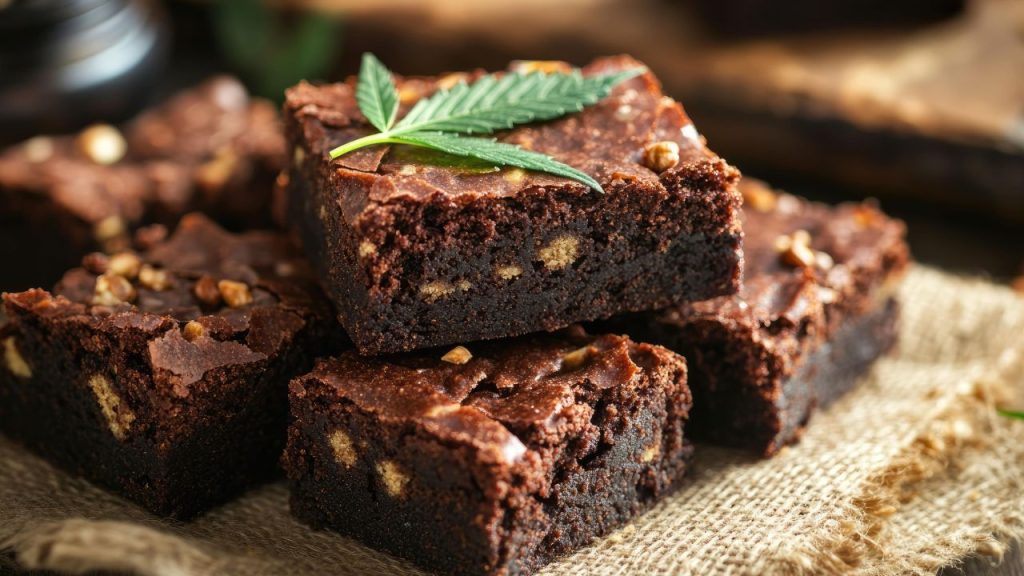
The classic American brownie typically contains:
- Chocolate or cocoa powder.
- Butter.
- Sugar.
- Eggs.
- Flour.
- Vanilla extract.
In legal cannabis markets, specialised producers have developed versions containing measured quantities of THC or CBD.
One particularly interesting variation is the RSO brownie, which uses Rick Simpson Oil (RSO), a concentrated cannabis extract associated with an American cannabis activist and the broader medical cannabis movement.
RSO brownies combine a familiar chocolate dessert format with a concentrated cannabis ingredient. They have become a recognisable example of cannabis-infused baking in discussions of American edible culture.
However, RSO is not an ordinary cooking ingredient. Its cannabinoid concentration can be high and may vary significantly between products. This makes product testing, accurate cannabinoid information and professional handling particularly important.
A Classic American Brownie Recipe
For readers interested in the culinary side of this American classic, here is a conventional brownie recipe that can be prepared without cannabis.
Ingredients:
| Ingredient | Quantity |
|---|---|
| Dark chocolate | 150 g |
| Unsalted butter | 120 g |
| Sugar | 180 g |
| Eggs | 2 |
| All-purpose flour | 90 g |
| Cocoa powder | 20 g |
| Vanilla extract | 1 teaspoon |
| Salt | A pinch |
Preparation:
- Preheat the oven to 180°C.
- Melt the chocolate and butter together, then allow the mixture to cool slightly.
- Whisk the eggs and sugar until combined.
- Add the melted chocolate mixture and vanilla extract.
- Fold in the flour, cocoa powder, and salt.
- Transfer the batter into a lined baking tin.
- Bake for approximately 20–25 minutes, checking the centre for your preferred brownie texture.
- Allow the brownies to cool before cutting them into squares.
This recipe provides the traditional chocolate foundation behind the popular American brownie.
What about the RSO?
This is a conventional brownie recipe, not an RSO preparation guide; for that, you could consult specialized websites like Weedstripes or Leafly. Concentrated cannabis extracts should not be added in unspecified quantities. In jurisdictions where cannabis edibles are legally permitted, products should be handled according to applicable regulations, with reliable testing and professionally established cannabinoid quantities.
Cannabis Gummies: Small, Colourful and Convenient
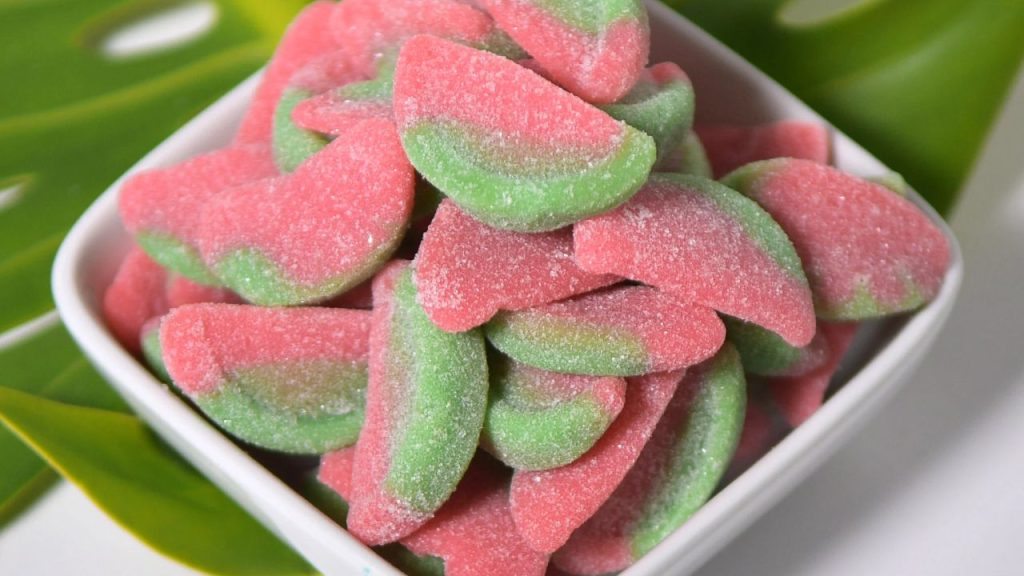
Gummies have become another recognisable edible format.
They appeal to consumers because they are portable, individually packaged and available in different flavours. Depending on the regulated market, products may contain THC, CBD or other permitted cannabinoids.
Common flavour profiles include:
- Strawberry.
- Watermelon.
- Lemon.
- Orange.
- Raspberry.
- Tropical fruit.
Their small size can make them look like ordinary sweets. This creates an important safety concern: cannabis gummies must be clearly labelled and stored securely, away from children and pets.
Cannabis Chocolates and Confectionery
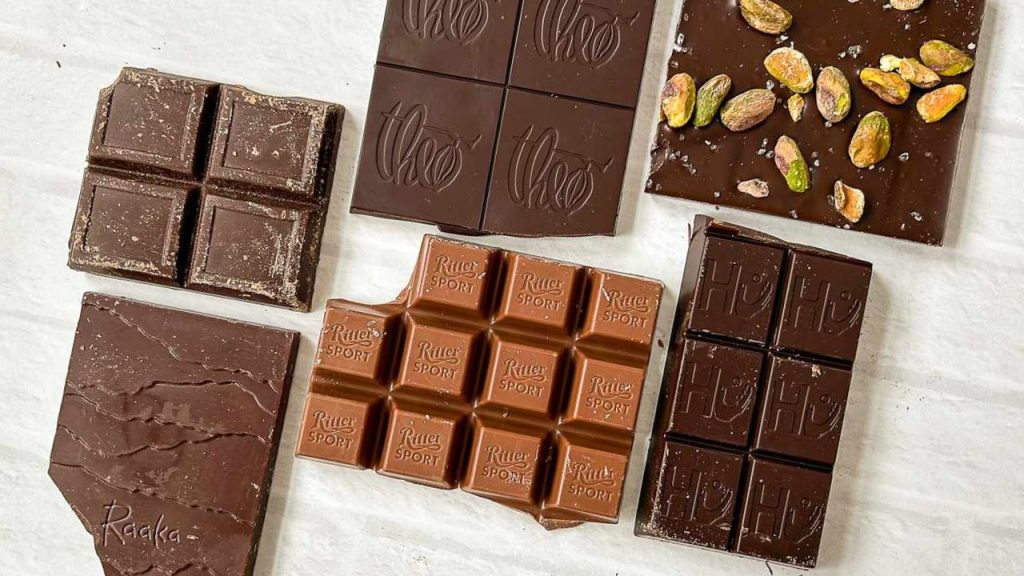
Chocolate is another popular format because it offers considerable creative flexibility.
In markets where cannabis-infused confectionery is legal, manufacturers may produce:
- Chocolate squares.
- Truffles.
- Chocolate bars.
- Caramel-filled chocolates.
- Chocolate-covered nuts.
These products combine familiar confectionery techniques with regulated cannabinoid ingredients.
Cannabis-Infused Drinks
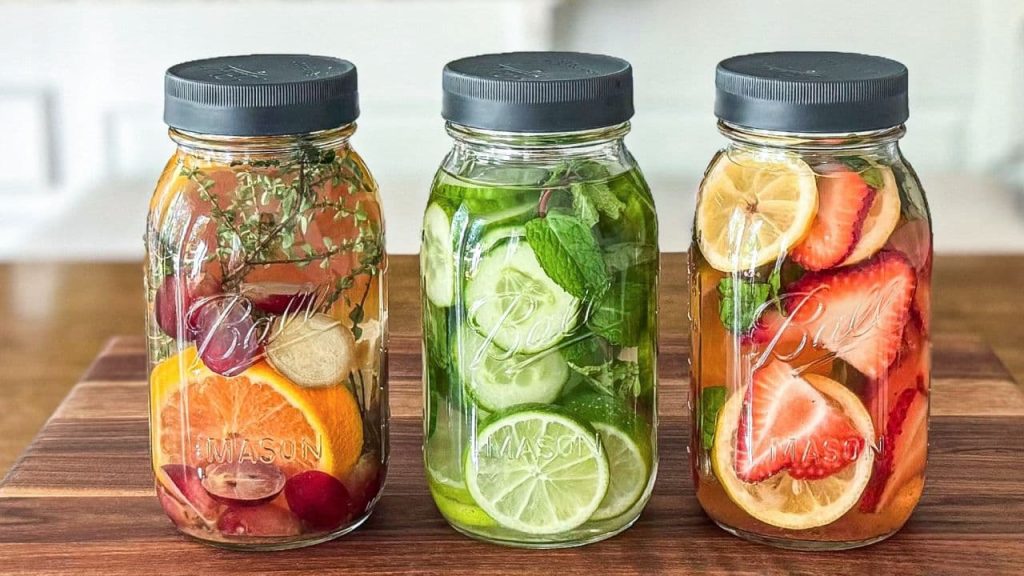
Cannabis beverages are also attracting attention in some legal markets.
Depending on local regulations, they may include sparkling drinks, flavoured waters, teas and other beverage formats.
Some manufacturers use specialised formulations designed to disperse cannabinoids throughout a liquid. However, the composition, permitted ingredients and labelling requirements differ between jurisdictions.
The development of cannabis beverages shows how the edible category continues to evolve beyond traditional desserts.
Different Countries, Different Rules…
One of the most important things to understand about cannabis-infused food is that there is no universal legal framework.
A product that can be purchased legally in one country might be prohibited in another. Even countries with relatively liberal cannabis policies may impose strict restrictions on production, possession, sale and consumption.
Here is an overview of several different approaches.
United States: A Developing Edible Market
The United States has one of the most recognisable cannabis edible industries.
Several states permit regulated recreational cannabis sales, while others allow medical cannabis under specific conditions. This has encouraged the development of brownies, gummies, chocolates, beverages and other specialised products.
However, cannabis remains subject to federal restrictions, creating a complicated relationship between state and federal law.
The legal position also varies between states, including rules concerning:
- Minimum purchase age.
- Permitted THC quantities.
- Packaging and labelling.
- Advertising.
- Retail sales.
- Home preparation and possession.
Consequently, American cannabis food culture should not be understood as a single nationwide legal market.
Canada: A Regulated Approach to Edible Products
Canada legalised recreational cannabis at the federal level in 2018.
Its regulatory framework allows licensed businesses to produce and sell certain cannabis-infused edible products, subject to strict requirements.
For example, Health Canada limits edible cannabis to a maximum of 10 mg of THC per immediate container.
The rules also address packaging, product composition and labelling to reduce the risk of accidental consumption and overconsumption.
The Netherlands: Space Cakes and Cannabis Culture
The Netherlands is internationally associated with cannabis coffee shops and its relatively tolerant approach to certain cannabis activities.
One product often associated with Dutch cannabis culture is space cake, a cake containing cannabis.
However, it is important to understand that the Dutch system is not equivalent to unrestricted legalisation.
Possession, production and sale remain offences under Dutch law, although certain activities are tolerated under specific conditions.
The country’s controlled cannabis supply experiment also permits participating coffee shops to offer regulated edibles such as space cake, subject to rules governing ingredients and production.
Portugal: Decriminalisation Does Not Mean Legalisation
Portugal is another country frequently mentioned in international discussions about cannabis policy.
However, the distinction between decriminalisation and legalisation is essential.
Portugal’s approach to personal drug possession focuses on administrative responses rather than treating every personal-use possession case as an ordinary criminal offence.
That does not mean cannabis production, commercial distribution or cannabis-infused food is freely legal.
Anyone considering cannabis products in Portugal should distinguish between the country’s drug decriminalisation framework and the separate laws governing cannabis cultivation, supply and commercial activity.
The Philippines: Could Cannabis Become Part of Filipino Cuisine?
This is perhaps the most interesting question in the entire discussion.
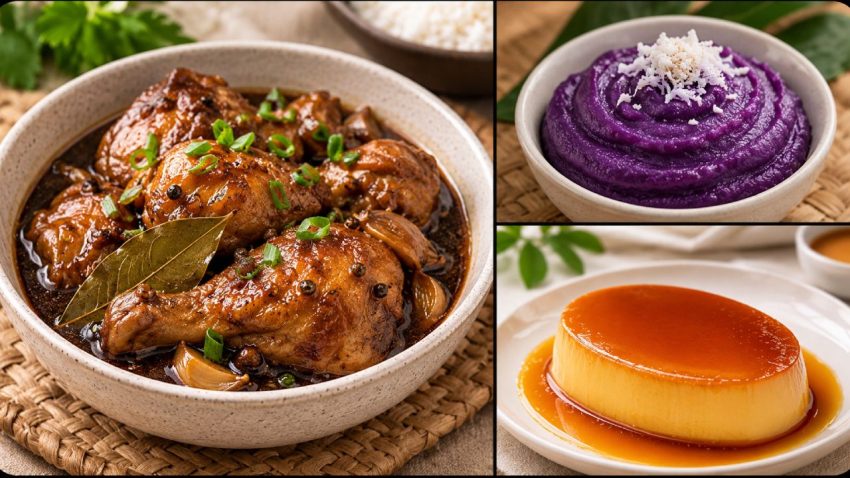
Filipino cuisine is known for its diversity, creativity and ability to combine influences from different cultures. From adobo and sinigang to bibingka, puto and halo-halo, food plays an important role in Filipino identity and everyday life.
It is easy to imagine how an international food trend might inspire new culinary ideas.
However, there is a major legal obstacle.
Under the Philippines’ Comprehensive Dangerous Drugs Act of 2002, Republic Act No. 9165, cannabis and cannabis extracts remain controlled substances. The Philippine Dangerous Drugs Board also continues to list cannabis, cannabis resin and cannabis extracts among controlled substances.
The government has considered medical cannabis proposals, but these discussions should not be confused with permission to prepare or sell recreational cannabis-infused food.
Therefore, cannabis brownies, gummies and other THC-infused foods cannot simply be introduced into ordinary Filipino food businesses as new dessert options.
For anyone interested in this subject, the distinction between culinary experimentation and legal permission is crucial.
Could Cannabis Be Combined With Traditional Filipino Recipes?
Filipino cuisine offers an interesting perspective on the future of food innovation.
Unlike cuisines that focus heavily on a particular cooking technique, Filipino food is incredibly diverse. It combines indigenous ingredients with Spanish, Chinese, Malay and American influences.
This has created a culinary tradition where sweet, savoury, sour and salty flavours frequently come together.
Filipino Desserts That Could Inspire New Food Trends
Several traditional Filipino desserts offer interesting inspiration for contemporary confectionery.
1. Bibingka
Bibingka is a traditional rice cake commonly associated with Christmas celebrations. Its soft texture, coconut flavour and slightly toasted exterior make it a distinctive Filipino dessert.
2. Ube Halaya
Made with purple yam, ube halaya is known for its vibrant colour and creamy consistency. It has also become popular internationally through ube-flavoured cakes, ice cream and pastries.
3. Leche Flan
This rich caramel custard is a staple at many Filipino celebrations. Its smooth texture and sweet flavour make it one of the country’s best-loved desserts.
4. Polvoron
Polvoron is a crumbly Filipino shortbread made with toasted flour, powdered milk, sugar and butter. Its simple ingredients and distinctive texture have inspired many modern variations.
These desserts demonstrate the creative potential of Filipino baking.
However, there is an important distinction: discussing how international food trends might influence Filipino desserts is not the same as suggesting that cannabis should be added to traditional recipes. Given current Philippine restrictions, these dishes are best enjoyed in their conventional, cannabis-free forms.
Food Innovation Without Ignoring Local Culture
Could cannabis ever become part of Filipino culinary culture?
Perhaps future changes in legislation and public attitudes could create opportunities for further discussion. But any such development would require clear regulations, public-health safeguards and respect for local traditions.
For now, Filipino chefs and home bakers can explore international food trends through cannabis-free interpretations, such as colourful gummy sweets, chocolate desserts and innovative ube-based confectionery.
The Future of Cannabis-Infused Food
The future of cannabis edibles will depend on more than culinary creativity.
Several factors are likely to influence how this market develops over the coming years.
Better Product Testing and Transparency
As regulated cannabis markets mature, product testing and accurate labelling are becoming increasingly important.
Consumers need reliable information about cannabinoid content, ingredients, potential allergens and storage requirements.
This is particularly relevant for edibles because their appearance can be almost identical to ordinary sweets and desserts.
More Sophisticated Culinary Creations
Cannabis food culture is also becoming more diverse.
Rather than focusing exclusively on brownies and cookies, manufacturers and culinary professionals are exploring different formats, including:
- Premium chocolates and confectionery.
- Specialised beverage products.
- Fruit-flavoured gummies.
- Alternative dessert formats.
- Professionally manufactured products with clearly defined cannabinoid content.
In countries where these products are permitted, this development may encourage greater collaboration between food manufacturers, confectioners and regulated cannabis businesses.
Changing Cultural Attitudes
Perhaps the biggest challenge is cultural acceptance.
Cannabis remains a controversial subject in many parts of the world. Religious beliefs, social traditions, public-health concerns and historical drug policies all influence how communities perceive it.
In the Philippines, for example, any future discussion about cannabis-infused cuisine would need to consider the country’s existing legislation and wider cultural context.
It would also require a clear distinction between medical cannabis discussions and recreational food products.
Can Cannabis Edibles Find a Place in Filipino Cuisine?
Cannabis edibles offer an interesting example of how food culture evolves alongside changes in society, technology and legislation.
From American chocolate brownies to Dutch space cakes and modern cannabis gummies, infused food products demonstrate the diversity of culinary ideas emerging in countries with different cannabis policies.
The American RSO brownie tradition is particularly interesting because it combines a familiar homemade dessert with a concentrated cannabis extract. However, it also highlights why responsible handling, product testing and accurate information are essential.
When it comes to Filipino cuisine, the possibilities are interesting from a cultural and culinary perspective. Traditional desserts such as bibingka, ube halaya and leche flan demonstrate the creativity and diversity of Filipino baking.
Nevertheless, cannabis-infused food is not currently a legally available culinary trend in the Philippines. Cannabis remains controlled under existing national drug legislation, and proposed medical cannabis reforms should not be mistaken for recreational legalisation.
Ultimately, food innovation should never come at the expense of public safety or respect for local laws.
Whether cannabis edibles become more widely accepted internationally remains to be seen. What is certain is that the relationship between food, culture and changing legislation will continue to generate fascinating discussions.
And perhaps that is the most interesting part of exploring food trends: discovering new ideas while understanding the traditions and responsibilities that come with them.